Know where your
cargo is. Always.
Real-time container, vessel & Bill of Lading tracking — track any shipment live.
TruShipy is a real-time tracking platform for importers, exporters, and freight forwarders to track containers, vessels, and Bills of Lading from a single dashboard — with live data from 50+ ocean carriers. Pay per lookup, no subscription, credits never expire.
MSCU 765 432 1
MSC OSCAR
MEDU B543 2345
50+ Ocean Carriers.
One Unified Platform.
We connect directly to carrier APIs — no third-party scraping, no stale data. Every lookup pulls live status straight from the source.
Maersk
MSC
CMA CGM
COSCO
Maersk
MSC
CMA CGM
COSCO
Maersk
MSC
CMA CGM
COSCO
Maersk
MSC
CMA CGM
COSCO
Maersk
MSC
CMA CGM
COSCO
Maersk
MSC
CMA CGM
COSCO
Maersk
MSC
CMA CGM
COSCO
Maersk
MSC
CMA CGM
COSCO
Maersk
MSC
CMA CGM
COSCO
Maersk
MSC
CMA CGM
COSCO
Maersk
MSC
CMA CGM
COSCO
Maersk
MSC
CMA CGM
COSCO
Maersk
MSC
CMA CGM
COSCO
Maersk
MSC
CMA CGM
COSCO
Maersk
MSC
CMA CGM
COSCO
Maersk
MSC
CMA CGM
COSCO
Understand your shipment,
end to end.
From the steel box on a vessel to the legal document that governs it — TruShipy gives you live visibility into every layer of global shipping.
End-to-end container visibility.
Every box. Every port. Every mile.
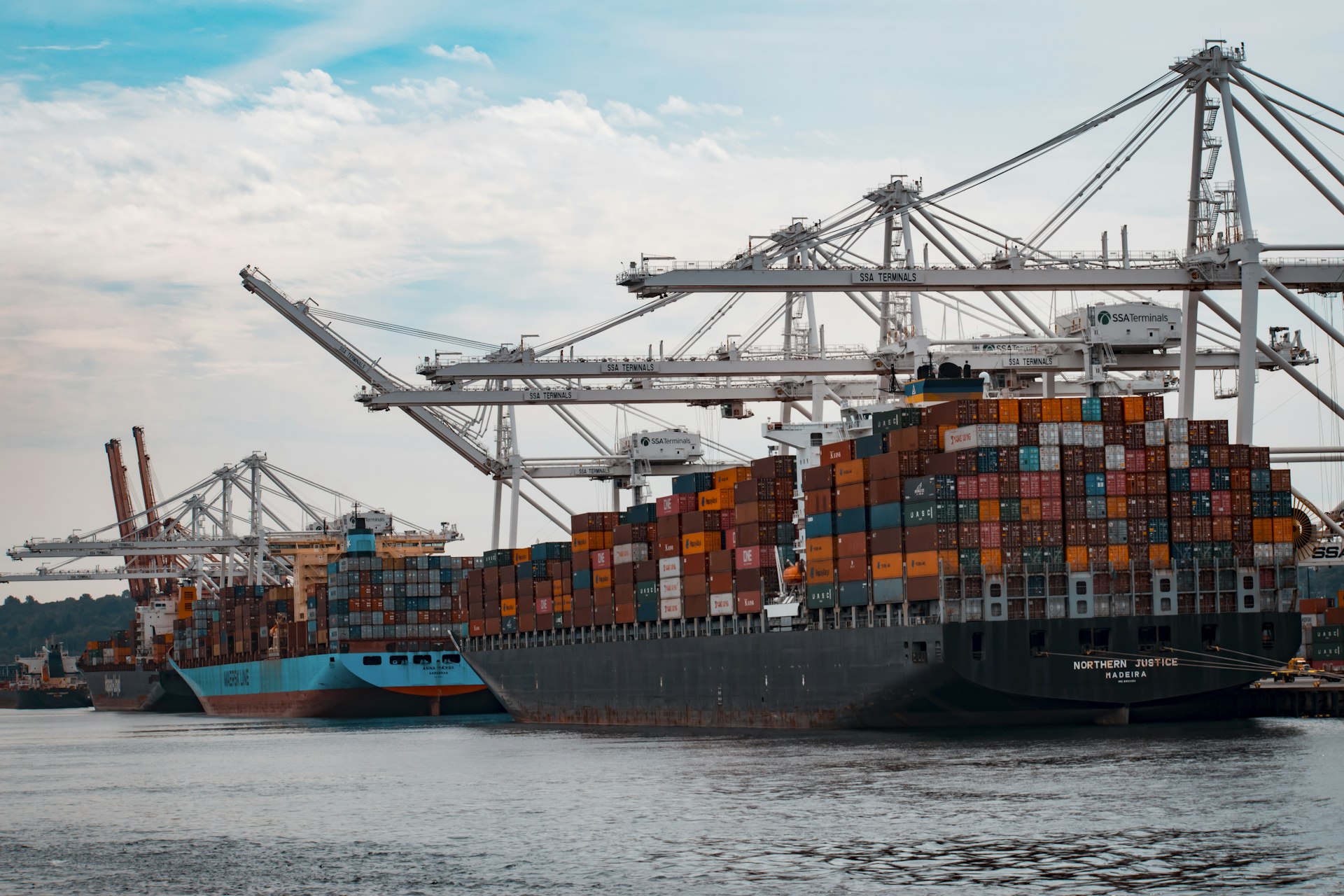
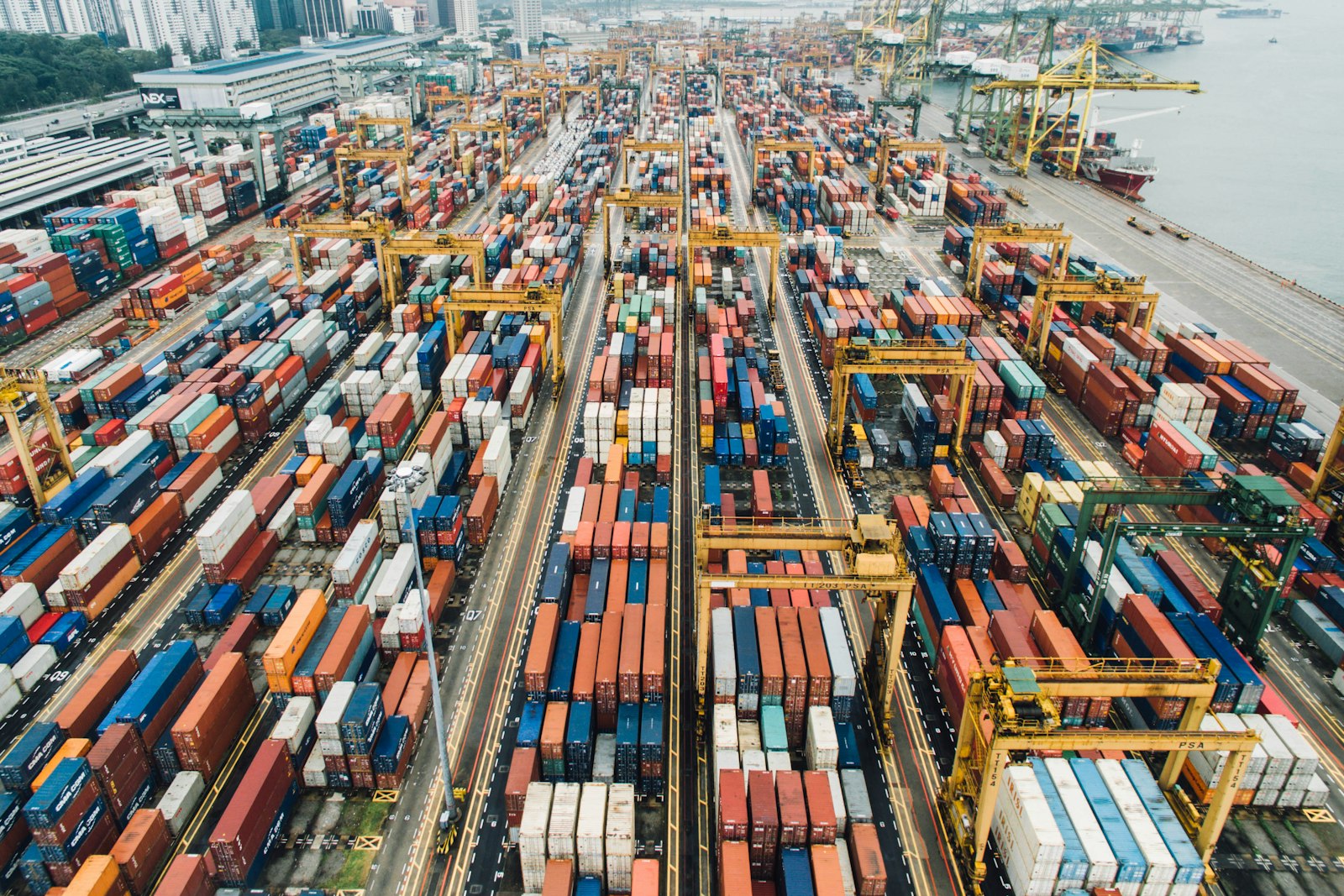
A shipping container is the steel box that carries your cargo across the ocean. TruShipy connects directly to 50+ carrier APIs so you see exactly where your container is — from the moment it's gated-out at origin to the second it lands at your warehouse door.
What is a container?
A 20 ft or 40 ft steel box with a unique ID. Every carrier assigns it a journey of milestones from loading to delivery.
Origin → Destination
Track gate-out, vessel departure, transshipments, arrival, customs, and final delivery — in one live timeline.
Real-time ETAs
ETAs recalculate automatically when vessels are delayed, re-routed, or encounter port congestion.
AIS-powered, satellite-grade.
The ship carrying your cargo — live on the map.
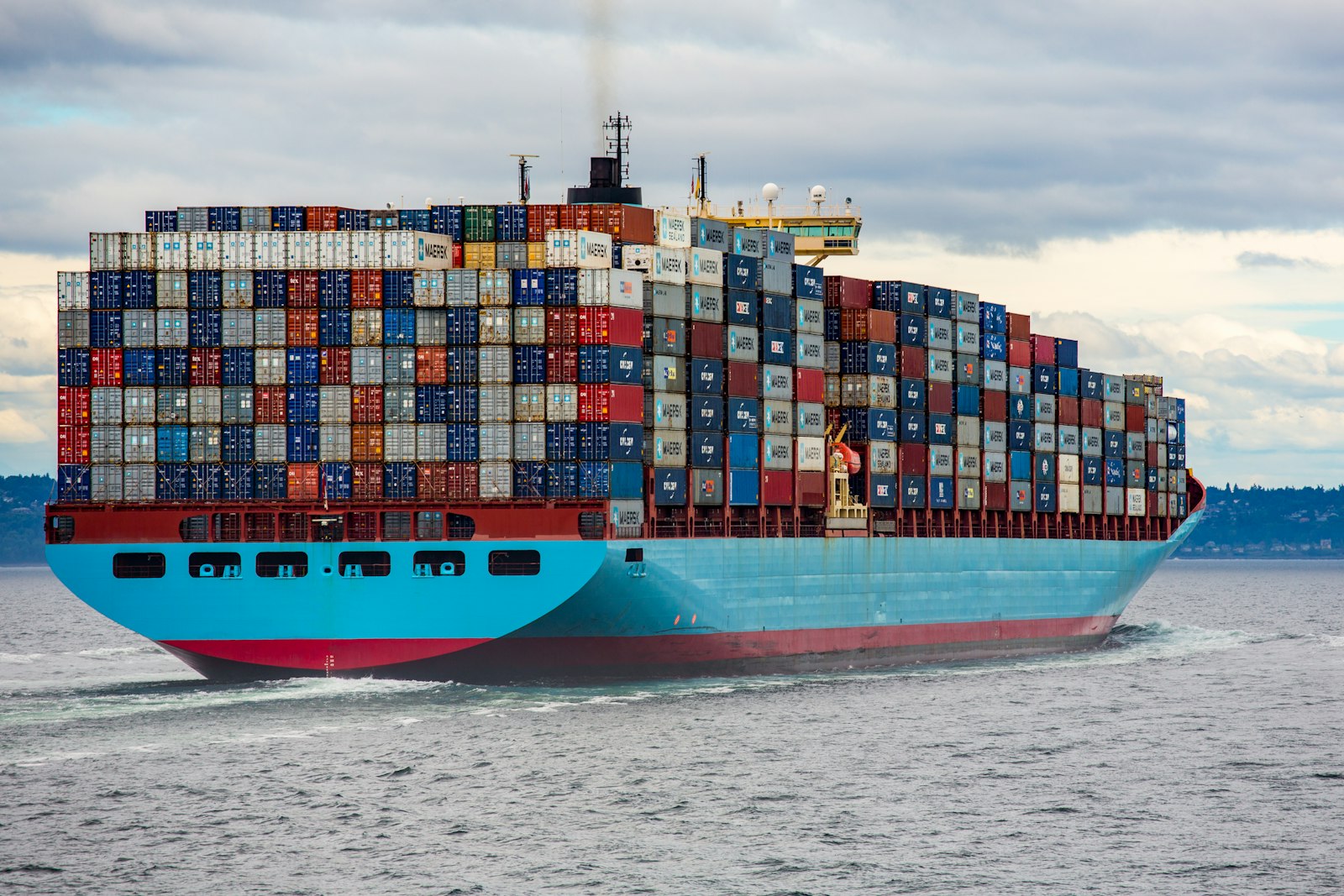
A cargo vessel is the floating highway that carries hundreds of containers at once. Using live AIS satellite signals, TruShipy shows you the exact position, speed, and heading of any ship — so you're never left guessing.
Live AIS position
Every vessel broadcasts its GPS position via AIS. We aggregate feeds from multiple sources so coverage never drops, even mid-ocean.
Port calls & voyage history
See every port the ship has visited, the next scheduled port call, and estimated time of arrival.
Speed & heading
Know if the vessel is steaming ahead at 22 knots, slowing for bad weather, or anchoring outside a congested port.
Shipment-level visibility.
One document. Every container it carries.
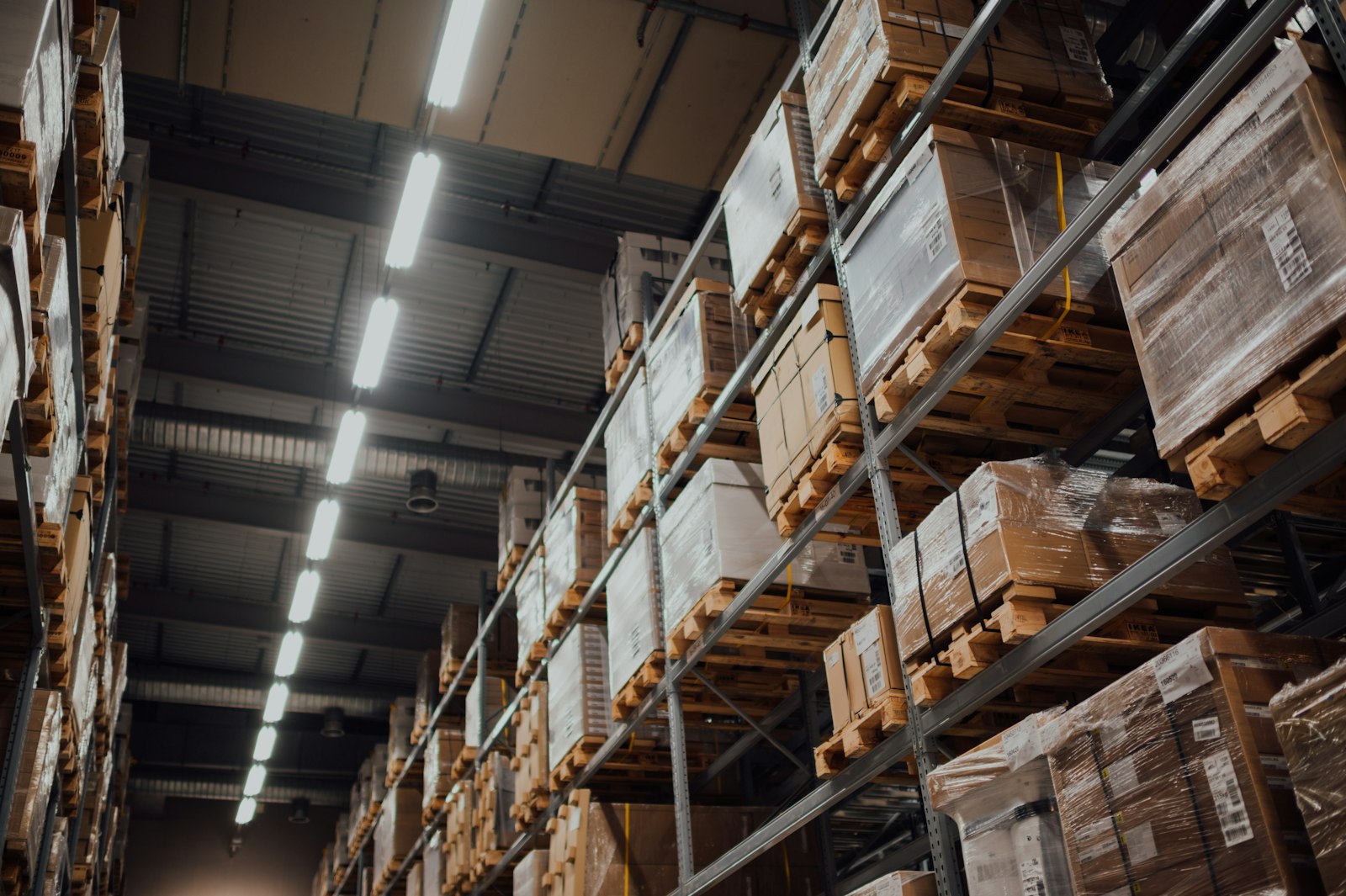
A Bill of Lading (BOL) is the legal contract between shipper and carrier — it lists every container, the declared cargo, and the parties involved. TruShipy turns a BOL number into a live dashboard so you can track all linked containers at once.
What is a BOL?
Issued by the carrier, the BOL proves you shipped the goods. It lists the shipper, consignee, ports, and every container number in the shipment.
All containers, one search
Large shipments can span 8, 20, or even 100+ containers. Enter one BOL number and instantly see the live status of all of them.
Carrier-direct data
We pull BOL data straight from carrier APIs — no screen-scraping, no stale updates — so milestones appear as soon as the carrier logs them.
Ready to track your first shipment?
Get started freeHow does TruShipy
track a shipment?
No integration. No setup. Type a tracking ID and we surface live carrier data in seconds.
Enter your tracking ID
Type any container number, vessel IMO/name, or bill of lading — no special formatting required.
We fetch live carrier data
TruShipy pulls real-time data directly from 50+ carrier APIs. No cached or stale information, ever.
Monitor your shipment
View full event timelines, vessel positions, ETAs, and container details in one clean dashboard.
What can you track
on TruShipy?
Containers, vessels, and bills of lading — all backed by live, carrier-direct data.
Container Tracking
Real-time status on any container across all major carriers worldwide. From gate-in to final delivery, every event covered.
- Live vessel position & ETA
- Full milestone event timeline
- 50+ shipping lines covered
Bill of Lading
Search any BOL and instantly view all associated containers in one consolidated dashboard with live statuses.
- All containers in one view
- Carrier-direct live data
- Instant document lookup
Vessel Tracking
Follow live vessel positions, routes, and complete voyage details using AIS feeds. Search by name, IMO, or MMSI.
- Live AIS position & speed
- Voyage history & port calls
- Flag, owner & operator info
Built by freight professionals,
for freight professionals.
TruShipy was founded in early 2026 after our team spent years inside freight forwarding, watching operations staff waste hours every day calling carriers, refreshing tracking portals, and copy-pasting updates into spreadsheets.
We built the tool we always wished existed: a single, fast, credit-based tracker that pulls live data directly from carrier APIs — no scraping, no delays, no monthly lock-ins.
Tracking cargo across every major trade lane
From Shanghai to Rotterdam, Singapore to Los Angeles — TruShipy covers every major shipping corridor with live, carrier-direct data.
How we got here
TruShipy was born from a simple frustration — freight professionals spending hours calling carriers for shipment updates.
Connected directly to major ocean carrier APIs, validating end-to-end container tracking with live event data.
Extended the platform beyond containers — added Bill of Lading lookups and live AIS-powered vessel tracking.
Opened TruShipy to early-access freight teams with team accounts, bulk tracking, and a per-lookup credit model.
Common questions,
answered.
Everything you need to know about TruShipy's tracking platform, pricing, and data.
PricingHow does the credit system work?
Each tracking lookup costs exactly 1 credit, whether you search a container number, a Bill of Lading, or a vessel MMSI. You buy credits upfront in any quantity and they are deducted automatically as you track — no subscriptions, no monthly fees, no minimum spend. A freight forwarder running 60 lookups in a busy week pays for 60 credits, and nothing in a quiet week. Credits never expire, so unused balance carries forward, and revisiting a shipment you have already tracked in your dashboard costs nothing extra. This pay-per-lookup model means your cost scales directly with how much you actually track — which is why TruShipy suits teams with variable or seasonal shipping volumes rather than a fixed monthly plan.
PricingDo credits expire?
Never. Credits you purchase stay valid in your account indefinitely, with no expiry date and no monthly reset. Whether you track 100 shipments a day during peak season or three a month in a quiet period, your balance carries over until you use it. This matters most for freight teams with uneven volumes — you are never pressured to "use it or lose it" before a billing cycle closes, and you never forfeit credits you have already paid for. Combined with the absence of any subscription, a top-up you buy today is still spendable months from now. Every new account also receives complimentary credits on sign-up, so you can track real shipments and judge the data quality before making any purchase.
TrackingWhich carriers are supported?
TruShipy integrates with 50+ of the world's major ocean carriers, including Maersk, MSC, CMA CGM, COSCO, Hapag-Lloyd, Evergreen, ONE (Ocean Network Express), Yang Ming, HMM, ZIM, PIL, and OOCL, alongside many regional lines. Coverage spans the Asia-Europe, Transpacific, and Asia-Americas trade lanes, so most container, vessel, and Bill of Lading lookups resolve automatically. We read the four-character prefix of a container number to route your query to the correct carrier, so you never need to know which line owns a box before tracking it. New carriers are added regularly based on user demand — if a line you need is not yet supported, contact us and we will assess the integration.
TrackingWhat's the difference between container, vessel, and BOL tracking?
The three lookups answer different questions. Container tracking follows a single intermodal container end to end — gate-out, vessel departure, transshipment, and arrival — using its ISO 6346 number. Vessel tracking shows a ship's live AIS position, speed, heading, and scheduled port calls, useful for estimating transshipment windows. Bill of Lading tracking takes one BOL number and returns every container linked to that shipment document in a single result, ideal when a consignment is split across multiple boxes. All three cost the same flat 1 credit. Many teams combine them: start with the BOL to see the whole shipment, drill into a specific container for milestone detail, then watch the carrying vessel for an up-to-the-minute position.
TrackingCan I track multiple containers at once?
Yes. From your dashboard you can save and monitor many containers at the same time, each shown with its latest status and ETA so you can scan an entire portfolio at a glance. Each fresh lookup against a carrier costs 1 credit, but revisiting a result you have already pulled does not — so checking saved shipments throughout the day is free. If you track by Bill of Lading, every container under that BOL is returned together in one lookup for a single credit, rather than charging per box. This makes TruShipy efficient for NVOCCs and forwarders managing consignments that span dozens of containers, where per-container pricing elsewhere adds up quickly.
Data & CoverageIs the data real-time?
Yes. Every lookup calls the relevant carrier API at the moment you submit it, so the status, port events, and ETAs you see reflect what the carrier's own system reports at that instant — there is no cached or stale event data, and vessel positions are drawn from live AIS feeds. Because we query the source directly rather than scraping portals or relying on overnight batch updates, a milestone the carrier recorded minutes ago appears in your result. The one nuance: data is only ever as fresh and complete as the carrier itself publishes, so if a line is slow to post an event, no aggregator can show it sooner. Credits are charged only when a lookup returns a successful carrier response.
Data & CoverageDo you offer an API for developers?
API access is on our roadmap for enterprise and high-volume teams, but a public developer API is not generally available yet. If you are building a TMS, a visibility dashboard, or another system that needs programmatic container, vessel, or BOL data, email us at [email protected] with your use case and expected volume and we will work with you directly on early access. In the meantime, the web app supports the same lookups interactively, and credits are shared across your whole account so an operations team can work from one balance. We would rather give you an honest roadmap answer than advertise endpoints, rate limits, and authentication that are not yet production-ready.
Data & CoverageHow accurate is the vessel position data?
Vessel positions come from AIS (Automatic Identification System) feeds — the same transponder data the maritime industry uses to monitor ship movements. Accuracy depends on AIS reception in the vessel's current area: on open ocean with satellite AIS coverage, positions are excellent and update frequently; near congested ports or regions with sparse terrestrial receivers, updates can be more intermittent. TruShipy shows the most recent position the AIS network has reported, with speed, heading, and navigational status, plus the vessel's scheduled port calls. For freight planning this is most useful combined with container and BOL data — knowing both where the carrying ship is and which of your containers are aboard gives a far clearer ETA picture than a vessel map alone.
Ship smarter.
Start today.
Be among the first freight teams using TruShipy for live container, vessel, and BOL tracking — pay only per lookup, no subscription ever.